Residential Services
Residential Radon Repair for Your Aberdeen Home
Seeking radon fan replacement services or residential radon repair near you? Call on us. We serve Aberdeen and surrounding towns, including Watertown, Brookings, Huron, and more.
The Problem
What Are the Most Common Radon Repairs?
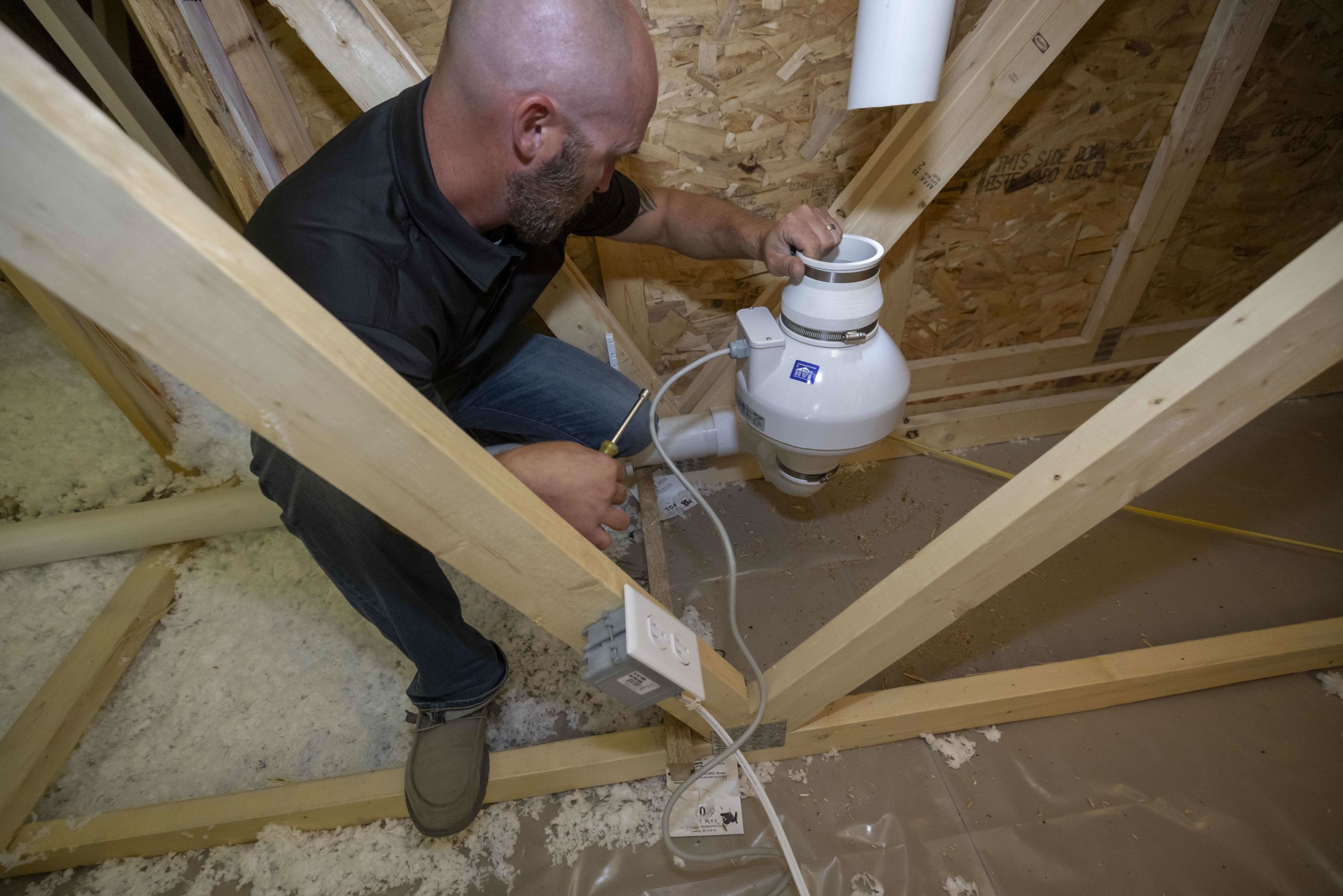
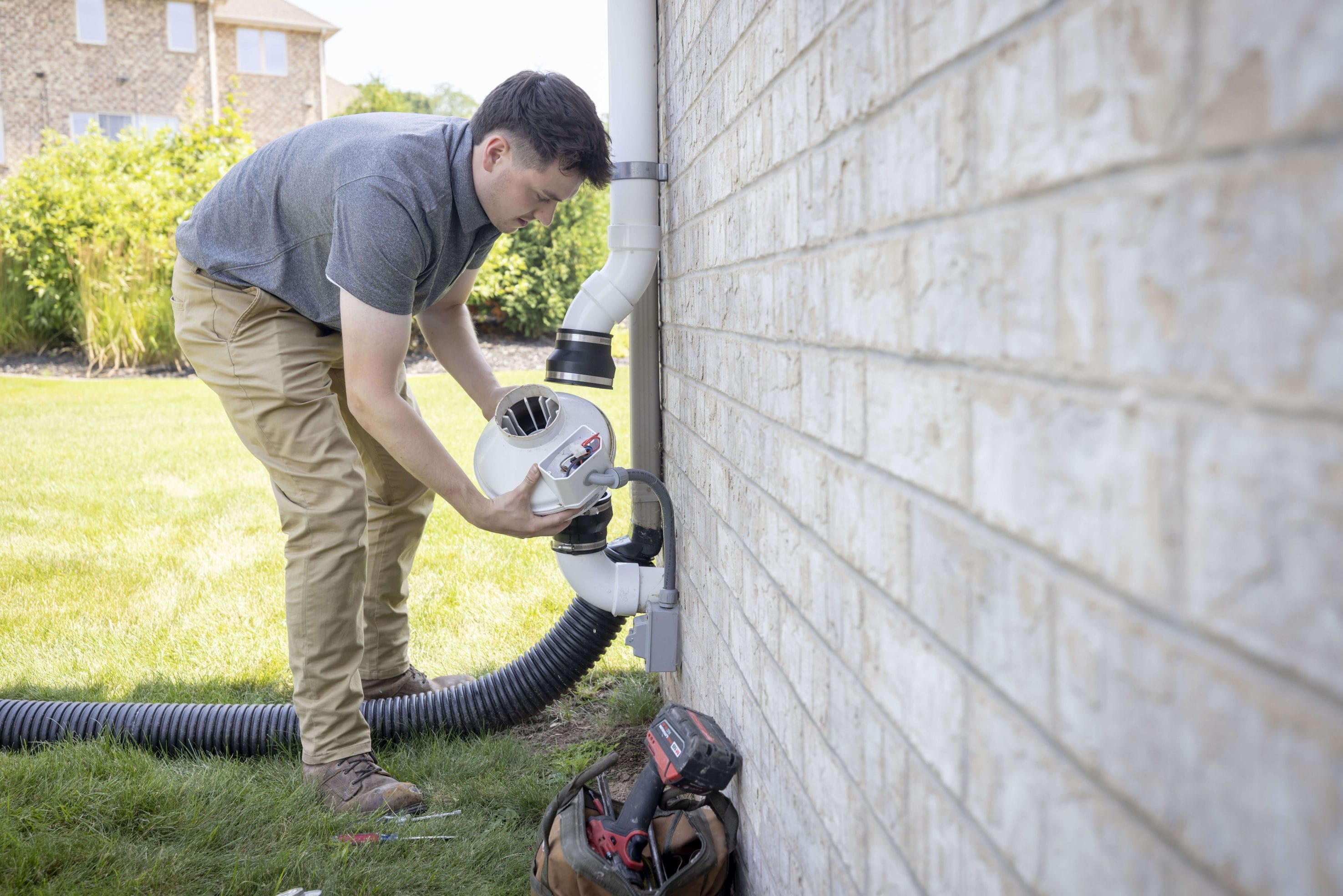
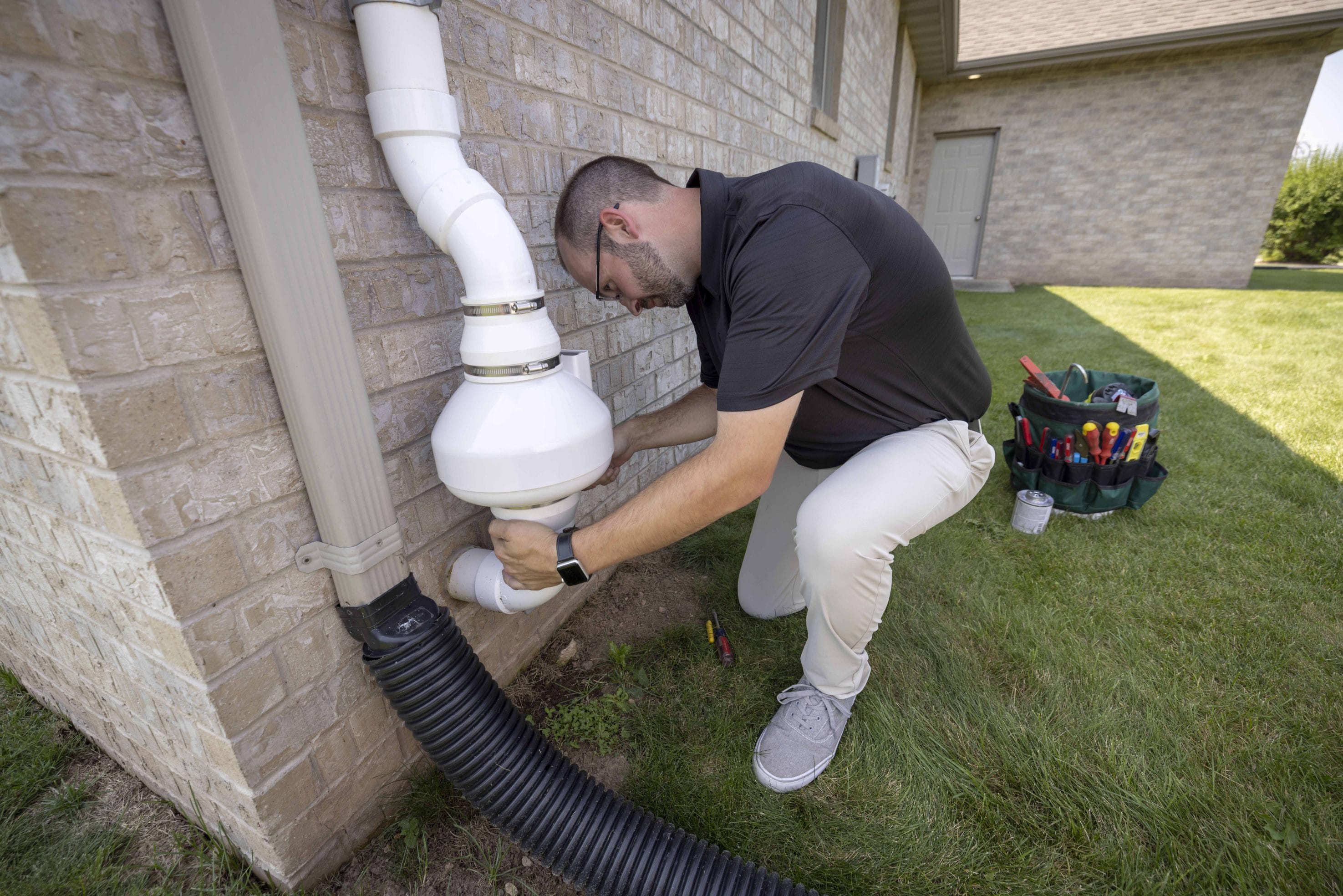
Radon mitigation systems are durable, but that doesn’t mean they aren’t prone to mechanical wear and tear or shifting foundation conditions. Identifying common issues early ensures your home remains protected, without the need for a full system overhaul.
Regularly checking your system’s U-tube monitor is the easiest way to catch these problems before radon levels begin to rise. If you notice a change in noise, visible cracks in your sealant, or a level gauge, don’t wait to reach out. Dakota Radon Pros offers repairs, testing, and more.
further maintenance
Do I need to re-test levels after a radon system repair?
Absolutely. Anytime the system is opened, repaired, or the fan is replaced, you should perform a short-term test (48–72 hours) to ensure the new fan is effectively lowering the radon levels below the EPA action level of 4.0 pCi/L.
Verify System Performance
A post-repair test is the only way to confirm that the new fan is working properly.
Safety Compliance
The EPA and most state health departments recommend re-testing after maintenance.
new baseline
Since fan models and foundation conditions change over time, a new test sets a fresh benchmark.
peace of mind
Even if the fan sounds like it’s working, radon is invisible and odorless, and a test provides the data needed to breathe easy.
Our solution
Our Experts Are Radon Repair Specialists
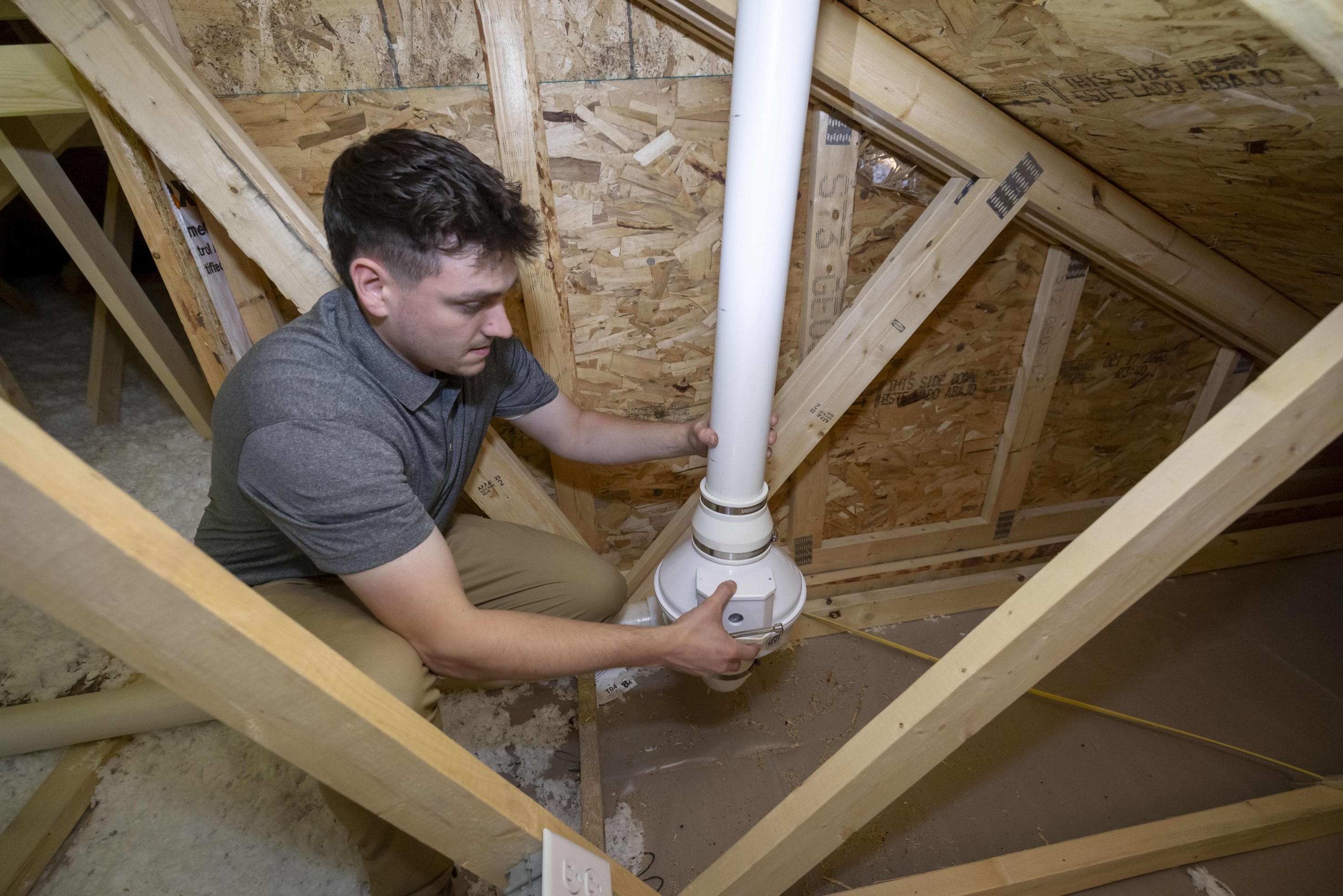
Our team consists of certified radon specialists who understand the complex relationship between soil pressure, foundation types, and fan mechanics. We’ll analyze your entire system to ensure your family remains better protected from the dangers of radon gas.
Choosing use means investing in a system optimized for both efficiency and longevity. We take pride in restoring your peace of mind by ensuring your mitigation system operates at peak performance for years to come.
Fully Certified
Trusted & Qualified radon Experts for aberdeen
Our team holds the highest industry certifications and maintains rigorous standards to ensure your home receives expert radon testing and mitigation services. We invest in ongoing education and advanced training to stay at the forefront of radon safety technology. Every certification we earn represents our commitment to protecting Dakota families with proven, scientifically-backed methods that meet or exceed EPA guidelines.
Licensed & Insured
Fully licensed radon professional with comprehensive insurance coverage
reputable
Products
We use reputable and highly-trusted industry products
liability coverage
Comprehensive liability coverage for your peace of mind
Continued Education
Regular training on latest mitigation techniques
NRPP Certified Professionals
Recognized by the National Radon Proficiency Program
FAQs
Frequently Asked Questions
Everything you need to know about radon and our services. We’ve compiled answers to the most common questions we receive from homeowners and property managers. If you have additional questions not covered here, our team is always happy to provide personalized guidance for your specific situation.
How do I know if my radon fan has stopped working?
The most reliable indicator of whether or not your fan is working is the u-tube manometer. When the fan is operational and creating suction, the liquid inside the tube will be offset (higher on one side than the other). If the liquid is perfectly level on both sides, it indicates a total loss of vacuum pressure, meaning the fan is either powered off or has suffered a mechanical failure.
Beyond the manometer, your ears are your next best diagnostic tool. Radon fans are designed to run silently or with a very faint, consistent hum. If you suddenly notice a loud grinding, screeching, or vibrating sound, the internal bearings are likely failing, and the motor is near the end of its life. Conversely, if your system used to make a slight vibration and is now eerily silent, the motor may have seized or a circuit breaker may have tripped.
How long do radon fans typically last?
A high-quality radon fan is a workhorse designed for continuous operation, 24 hours a day, 365 days a year. On average, homeowners can expect a professionally installed radon fan to last between 10-15 years. The longevity of the fan is primarily determined by the quality of the motor’s bearings and the environmental conditions they must endure.
The most common issue with radon fans is moisture. Radon fans are designed to move soil gas, which is naturally humid. If the system’s PVC piping wasn’t installed with the correct pitch or slope, condensation can pool inside the pipe and eventually drip back into the fan housing, causing the motor to short-circuit or the bearings to rust.
My Radon Levels Are Still High After Mitigation – Why?
The most common reason a mitigation isn’t lowering your radon levels is that the suction pit under your foundation isn’t reaching the far corners of the house. If the soil or gravel is tightly packed or contains clay, the vacuum created by the fan cannot pull air from the entire footprint.
In addition, radon may be entering through areas the system isn’t addressing, such as an open sump pit, crawl spaces with dirt floors, or hollow block walls. Or the radon fan itself may be not working or undersized for the size of your home or the resistance of the soil. Conversely, a fan that is too powerful can sometimes create “short-circuiting,” pulling air from a nearby crack rather than from under the entire slab.
If you’re having issues with your radon mitigation system, we can do some troubleshooting, get to the bottom of it, and figure out the next best steps forward.
Can I replace a radon fan myself?
It is not recommended. While the physical act of swapping the fan might seem simple enough, the technical requirements behind the swap are complex. A radon system is a calibrated pressure-management tool, not just a simple exhaust fan. If you install a fan that is too weak, you won’t pull enough gas from under the slab. If it is too powerful, you could actually pull conditioned air (heating or cooling) out of your home, causing your utility bills to skyrocket or potentially causing your water heater to backdraft carbon monoxide into the house.
A professional replacement includes diagnostic verification with the use of a micromanometer to ensure that the new fan is actually creating a vacuum. Without this specialized equipment, you have no way of knowing if the new fan is actually working effectively, even if the U-tube manometer shows a reading. Additionally, manufacturer warranties on the fan itself are often voided if the unit is not installed by a certified professional.
Service Area
our Service Area
Based in Aberdeen, SD, we serve a 150-mile radius. We’re willing to travel for the right projects while staying truly local to the communities we serve. Our service area includes many surrounding towns across both North and South Dakota. Contact us to confirm we can reach your location.
Cities We Serve
Don’t see your city?
We serve surrounding areas too! Contact us to confirm service availability in your location.
Helpful Resources
Latest From Our Blog
Stay informed with expert insights, industry news, and practical tips about radon safety and home protection. Our blog provides valuable information to help you understand radon risks, make informed decisions, and maintain a healthier home environment. We regularly update our content with the latest research and best practices from leading radon safety organizations.
Understanding Your Radon Test Results: A Homeowner’s Complete Guide
How does Radon Enter a Home?

Are New Homes Radon-Proof? What Homes Are Most At Risk?
Get Started Today
Expert Radon services: Done Right the First Time
Ready to secure your home’s air quality? Work directly with Chris, your local owner-operator and radon professional. Unlike companies that offer “cookie-cutter” quotes over the phone, we conduct a thorough on-site evaluation before making any recommendations, regardless of your current test results. Our mission is education over sales, ensuring you understand the process and receive a custom-tailored solution.
Call Us
Location
Aberdeen, SD
Request A Free Quote
We’ll respond within 24 hours to schedule your appointment.
"*" indicates required fields