
The Problem
What Are Typical Commercial Radon Repairs?
Typical commercial radon repairs often involve addressing the wear and tear associated with high-capacity systems designed for large footprints. Unlike residential setups, commercial systems frequently utilize multiple suction points and high-output fans that operate under significant pressure, making them more susceptible to mechanical fatigue and building-wide air balance shifts.
Because commercial mitigation is governed by strict ANSI/AARST standards, these repairs are not merely maintenance but a necessary part of risk management. Set your standards higher by working with Dakota Radon Pros for testing, mitigation, repairs, and more.
signs of damage
How do I know if my commercial radon fan needs to be replaced?
Most commercial radon fans have a lifespan of approximately 10 years. Signs that your system requires professional repair include:
Visible Wear
Cracks in the housing or leaking seals at the pipe connections
Audible Noise
Grinding, humming, or vibrating sounds coming from the fan housing
manometer levels
Your U-tube manometer shows equal levels of liquid on both sides
High Radon Readings
Sudden spikes in radon levels during routine testing

Our solution
Reach Out to Our commercial Radon Repair Specialists
We’re certified commercial radon specialists who understand the complex relationship between sub-slab air dynamics, high-volume HVAC systems, and large-scale foundation footprints. We analyze your building’s entire mitigation infrastructure to ensure your tenants, employees, and assets remain protected.
Choosing us means investing in a system optimized for both operational efficiency and long-term liability reduction. We restore your peace of mind by ensuring your facility’s air quality measures operate at peak performance for years to come.
Fully Certified
Trusted & Qualified radon Experts for aberdeen
Our team holds the highest industry certifications and maintains rigorous standards to ensure your home receives expert radon testing and mitigation services. We invest in ongoing education and advanced training to stay at the forefront of radon safety technology. Every certification we earn represents our commitment to protecting Dakota families with proven, scientifically-backed methods that meet or exceed EPA guidelines.
Licensed & Insured
Fully licensed radon professional with comprehensive insurance coverage
reputable
Products
We use reputable and highly-trusted industry products
liability coverage
Comprehensive liability coverage for your peace of mind
Continued Education
Regular training on latest mitigation techniques
NRPP Certified Professionals
Recognized by the National Radon Proficiency Program
FAQs
Frequently Asked Questions
Everything you need to know about radon and our services. We’ve compiled answers to the most common questions we receive from homeowners and property managers. If you have additional questions not covered here, our team is always happy to provide personalized guidance for your specific situation.
Can a commercial radon fan be repaired, or does it have to be replaced?
In the world of commercial radon mitigation, a failed fan must almost always be replaced rather than repaired. While it might seem more cost-effective to attempt a motor repair, radon fans are engineered as permanently sealed units, ensuring the radon gas being pulled from beneath the building slab cannot leak into the surrounding environment before it is safely exhausted outside. Opening the housing to access the motor or bearings would destroy this airtight seal, rendering the unit unsafe and non-compliant with ANSI/AARST standards.
In the end, once the internal bearings or the motor capacitor begin to fail, the unit’s efficiency drops significantly. Not to mention, a “repaired” fan would lack the manufacturer’s UL listing and warranty, potentially leaving the building owner liable if radon levels spike and cause occupant health concerns.
Will a fan replacement or radon repair disrupt my business operations?
Commercial radon system repairs and fan replacements are designed to be low-impact and non-intrusive. In the vast majority of commercial configurations, the radon fan is located on the exterior of the building, on the roof, or within a dedicated mechanical penthouse. This means that our technicians can often access, diagnose, and replace the equipment without ever needing to enter tenant-occupied suites or retail floor spaces.
A standard fan replacement typically takes between 1 to 4 hours, depending on the size of the unit and the accessibility of the mounting hardware. During this window, the only “disruption” is the temporary deactivation of the vacuum. Because radon gas accumulates over time, a few hours of system downtime will not cause an immediate or dangerous spike in indoor radon levels.
Why is my radon system’s “U-Tube” manometer reading zero?
The U-tube manometer is the primary visual indicator of your radon system’s health. It uses a colored liquid to show the pressure differential between the air inside the PVC pipe and the air in the room. If the liquid levels on both sides of the “U” are perfectly even (reading zero), it indicates a total loss of vacuum pressure. This is a signal that your system is no longer actively mitigating radon gas.
The most common reason for a zero reading is a failed fan motor. If the fan has reached the end of its lifespan or has been damaged by a power surge, it will stop spinning, and the suction will vanish.
Another possibility is a blockage or disconnection. In colder climates, ice dams can occasionally form at the exhaust stack, or debris (like a bird’s nest) can clog the pipe, preventing airflow. Conversely, the small, clear plastic tube that connects the manometer to the PVC pipe may have become brittle, cracked, or disconnected.
My radon fan is making a high-pitched squealing or rattling noise. What should I do?
If your commercial radon fan has begun to emit a high-pitched squealing or rattling noise, it is generally a sign of mechanical distress that requires prompt attention.
A squealing or whining sound is almost always the result of worn-out internal bearings. A rattling sound, on the other hand, often indicates that debris (like pebble, dried leaves, ice, etc.) has fallen into the fan housing and is interfering with the impeller blades.
While the system may still be pulling air for the time being, these noises are warning signals that the motor is overworking and could seize at any moment, which would cause radon levels in your building to rise back to unsafe levels within just a day or two. Be sure to call us in right away to look things over.
Service Area
our Service Area
Based in Aberdeen, SD, we serve a 150-mile radius. We’re willing to travel for the right projects while staying truly local to the communities we serve. Our service area includes many surrounding towns across both North and South Dakota. Contact us to confirm we can reach your location.
Cities We Serve
Don’t see your city?
We serve surrounding areas too! Contact us to confirm service availability in your location.
Helpful Resources
Latest From Our Blog
Stay informed with expert insights, industry news, and practical tips about radon safety and home protection. Our blog provides valuable information to help you understand radon risks, make informed decisions, and maintain a healthier home environment. We regularly update our content with the latest research and best practices from leading radon safety organizations.
Understanding Your Radon Test Results: A Homeowner’s Complete Guide
How does Radon Enter a Home?

Are New Homes Radon-Proof? What Homes Are Most At Risk?
Get Started Today
Expert Radon Solutions: Done Right the First Time
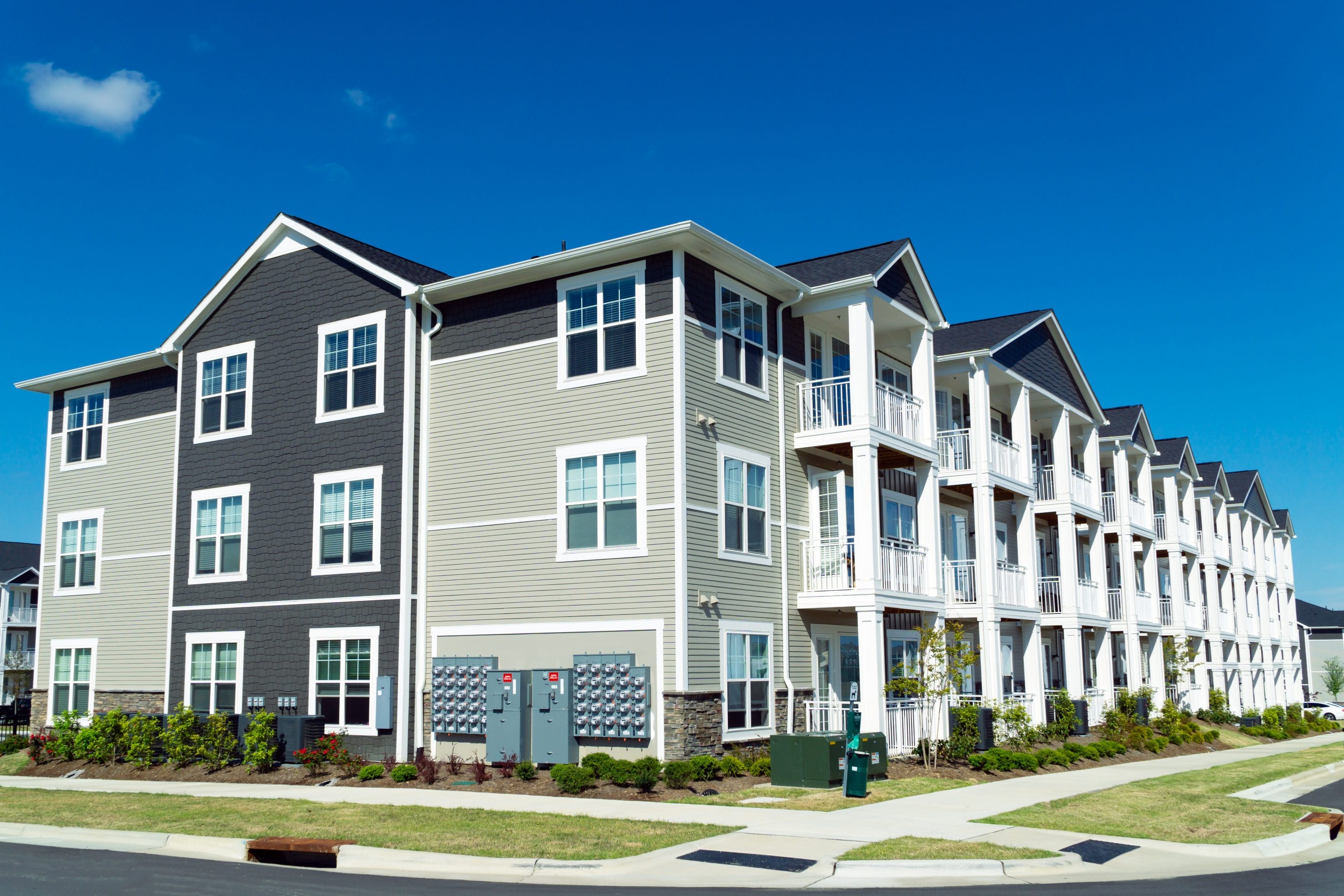
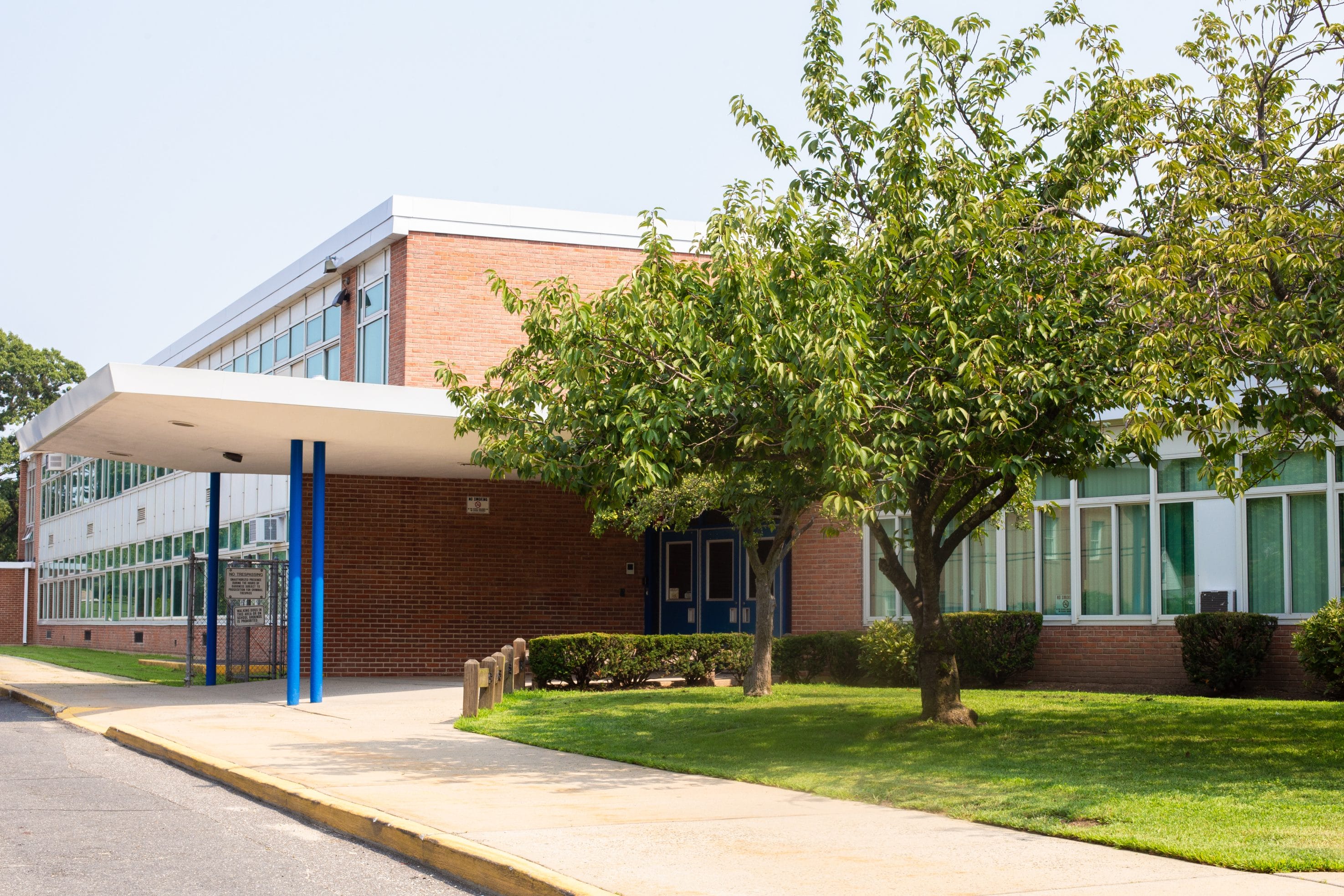
From schools and healthcare facilities to multi-family complexes, we provide the Dakotas with scientifically backed radon repairs. Get a custom-tailored solution for your facility’s unique footprint.
Call Us
Location
Aberdeen, SD
Request A Free Quote
We’ll respond within 24 hours to schedule your appointment.
"*" indicates required fields